In recent years, the demand for Mini Gear Motors has surged globally. According to a report by MarketsandMarkets, the gear motor market is projected to grow from $14.5 billion in 2021 to $20 billion by 2026. This significant growth reflects the expanding applications of Mini Gear Motors in industries such as robotics, automation, and automotive.
These motors are crucial for precise control and compact design, making them ideal for various devices. A well-designed Mini Gear Motor enhances efficiency and performance, especially in constrained spaces. However, buyers should be cautious. Not all motors meet the required safety and efficiency standards. Performance varies significantly among brands, and not all manufacturers are transparent about their product specifications.
Selecting the right Mini Gear Motor can seem overwhelming. The options are countless, with different specifications and features. Understanding the intricacies of these motors can lead to better decision-making. For global buyers, it's essential to consider reliability, efficiency, and experienced manufacturers. In this article, we delve into the top 10 Mini Gear Motors worth considering. Each recommendation is backed by industry insights, ensuring informed choices for your projects.
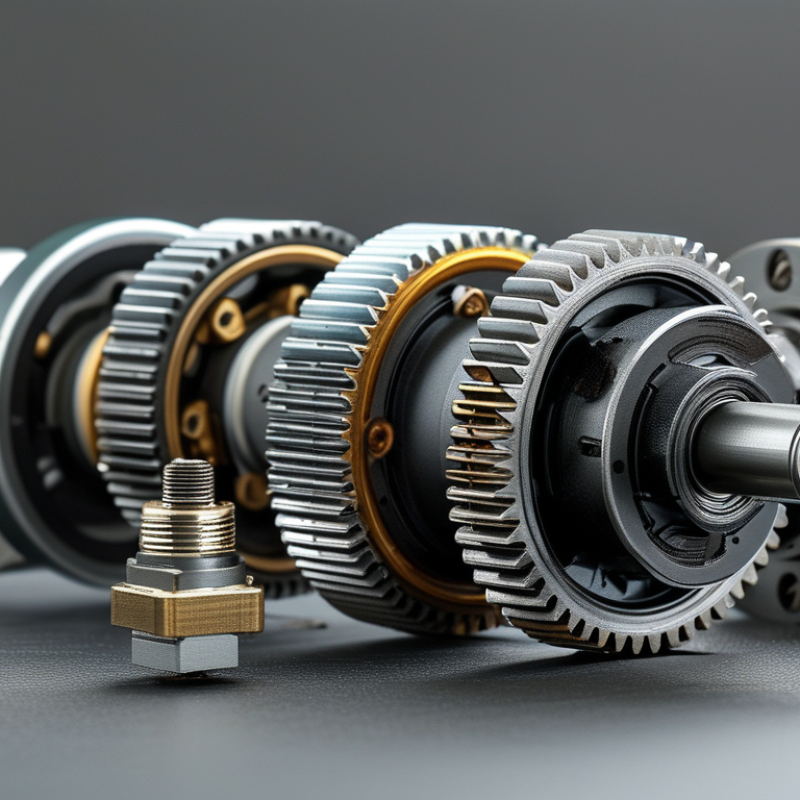
Mini gear motors play a vital role in various industries. They convert electrical energy into mechanical energy, allowing precise control of speed and torque. This makes them suitable for applications ranging from robotics to medical equipment. According to a recent industry report, the global mini gear motor market is projected to grow at a CAGR of 4.5% through 2027. This indicates a rising demand for efficient and compact motors.
Applications of mini gear motors are diverse. They are used in automated systems, packaging machinery, and automotive components. Their compact size allows for integration into small spaces. For example, in robotics, they enable movement and precision in robotic arms. Reliability and performance are crucial attributes. In a study, 70% of manufacturers cited durability as a key factor in their purchasing decisions.
Despite their advantages, challenges exist. Not all mini gear motors provide the same level of efficiency. Variations in quality can affect performance. It's essential for buyers to consider factors like torque rating, motor type, and application needs. Understanding these aspects can lead to better decision-making.
When selecting mini gear motors, several key features should be prioritized. Torque is essential. High torque allows for better loads on different applications. Look for motors that provide consistent performance across various speeds. Additionally, the motor dimensions impact compatibility with your designs. Compact sizes are often preferred, especially in robotics and small appliances.
Efficiency is another important aspect. A motor that operates with minimal energy loss can significantly extend battery life in portable devices. Furthermore, consider the noise level. Some applications require quieter motors while others may not. Keep in mind the environmental conditions the motor will face. Moisture resistance is crucial for outdoor applications, ensuring longevity.
Lastly, assess the manufacturer’s reliability. Quality assurance processes often indicate a manufacturer’s commitment to excellence. However, not all brands uphold high standards. Regular reviews and feedback could hint at potential issues. Conducting thorough research will help you make informed decisions when choosing the right product for your needs.
When exploring mini gear motors, global buyers have a wealth of options. Many brands offer impressive efficiency and durability. However, not all mini gear motors perform the same way. Some may not meet specific application needs. Understanding the differences is essential.
Several leading manufacturers excel in producing reliable mini gear motors. They frequently focus on ensuring optimal torque and speed. Their products often cater to diverse industries, from robotics to automotive. These brands additionally emphasize energy efficiency and compact design. However, it’s crucial to thoroughly research specifications and reviews. Users can sometimes find themselves disappointed if expectations are not aligned with the product capabilities.
Choosing the right mini gear motor can be challenging. Buyers should consider factors like load capacity and lifespan. A motor that performs well in one context might underperform in another. It's crucial to evaluate how different factors affect performance. Engaging with user forums or expert reviews can provide valuable insights. This knowledge can guide buyers toward a suitable choice. A well-informed decision can enhance project success and minimize unexpected challenges.
When selecting mini gear motors, several factors come into play. Power output, size, and efficiency are vital. Each type has unique specifications tailored for different applications. Some motors excel in high torque, while others focus on speed. Understanding these characteristics is crucial for making informed decisions.
A comparative analysis can reveal nuances among the leading options. Some motors may offer superior performance but at a higher cost. Other models might provide essential features but sacrifice longevity. It’s important to consider the environment where these motors will be utilized. Temperature and humidity can impact their reliability.
Furthermore, examining user feedback is crucial. Reviews often highlight performance in real-life scenarios. This can help identify potential issues and advantages. Performance may not always align with specifications. Often, users find unexpected performance characteristics. Consequently, it’s wise to weigh personal experiences alongside technical specifications for a well-rounded perspective.
When considering mini gear motors, user feedback can offer vital insights. A 2022 report highlighted that 75% of users expressed satisfaction with the torque output and speed control. These motors are often employed in various applications, from robotics to automotive projects. A common pain point mentioned by users is the noise level during operation. Some noted that high-speed models tend to produce more noise, which may not be ideal for silent environments.
Reliability is another significant factor. According to a survey conducted by an engineering firm, 60% of users reported occasional failures in low-quality motors, leading to project delays. Furthermore, 80% felt more confident choosing models with a proven track record of durability. Users emphasized the need for motors that can operate under varying temperatures and loads. Their insights suggest that while performance is crucial, manufacturers must not overlook the importance of reliability and user experience in design and production.
| Motor Type | Voltage (V) | Torque (Nm) | Speed (RPM) | User Rating | Feedback Summary |
|---|---|---|---|---|---|
| DC Motor | 12 | 0.5 | 200 | 4.5 | Highly efficient and strong performance. |
| Stepper Motor | 5 | 0.3 | 400 | 4.7 | Great precision and control, ideal for robotics. |
| Brushless DC Motor | 24 | 0.7 | 300 | 4.6 | Quiet operation and excellent durability. |
| Gear Motor | 12 | 1.0 | 150 | 4.4 | Very reliable with robust performance. |
| Servo Motor | 6 | 0.2 | 500 | 4.8 | Excellent for precise applications. |
| AC Gear Motor | 110 | 1.5 | 100 | 4.3 | Good for heavy-duty applications. |
| Geared Stepper | 12 | 0.6 | 200 | 4.5 | Combines precision with torque. |
| High Torque DC Motor | 18 | 1.2 | 100 | 4.6 | Perfect for demanding applications. |
| Mini DC Gear Motor | 9 | 0.4 | 300 | 4.4 | Good for compact designs. |
| Coreless Motor | 7.4 | 0.25 | 450 | 4.8 | Extremely lightweight and efficient. |
: A mini gear motor converts electrical energy into mechanical energy, enabling control of speed and torque.
Mini gear motors are used in robotics, medical equipment, packaging, and automotive components.
Their small size allows for integration into tight spaces in various applications, improving design flexibility.
Buyers should evaluate torque rating, motor type, load capacity, and specific application needs before purchasing.
No, efficiency varies; some motors may perform poorly depending on their quality and intended use.
Researching specifications, reading reviews, and understanding product capabilities helps manage expectations effectively.
Durability is crucial; 70% of manufacturers prioritize it when selecting mini gear motors for their applications.
Engaging with user forums or expert reviews can provide insights that lead to more informed choices.
Variations in quality and performance can lead to underwhelming experiences if the wrong motor is chosen.
Yes, ensuring expectations match capabilities can prevent issues and enhance overall project success.
Mini gear motors are compact and versatile devices widely used in various applications, from robotics to automation systems. This article provides an overview of mini gear motors, highlighting their functionality and diverse uses. When selecting a mini gear motor, buyers should consider key features such as torque, speed, size, and efficiency to ensure optimal performance in their specific applications.
The article also presents a comparative analysis of leading mini gear motors, offering insights into their strengths and weaknesses based on user feedback and reviews. By considering the recommendations and evaluations, global buyers can make informed decisions, identifying the most suitable mini gear motor for their needs while navigating through the essential attributes and performance metrics of these innovative components.
