Top 10 DC Brushless Motors Buyers Need to Know?
In the evolving world of industrial technology, understanding the nuances of DC Brushless Motors is crucial. These motors are praised for their efficiency and longevity. Renowned expert Dr. Alan Thompson states, “Selecting the right DC Brushless Motor can significantly impact your project's success.” This advice underscores the importance of making informed decisions.
DC Brushless Motors offer superior performance compared to their brushed counterparts. They require less maintenance, leading to reduced operational costs. Nevertheless, choosing the right motor is not always straightforward. Buyers often face challenges in specifications, compatibility, and optimal applications. An informed choice can lead to long-term benefits, while a hasty decision might result in inefficiency.
Navigating the myriad options and features available can be daunting. Buyers need clarity on torque requirements, speed control, and power ratings. A deeper understanding will guide better choices and prevent costly mistakes. Recognizing these factors is essential for maximizing the advantages of DC Brushless Motors in any application.
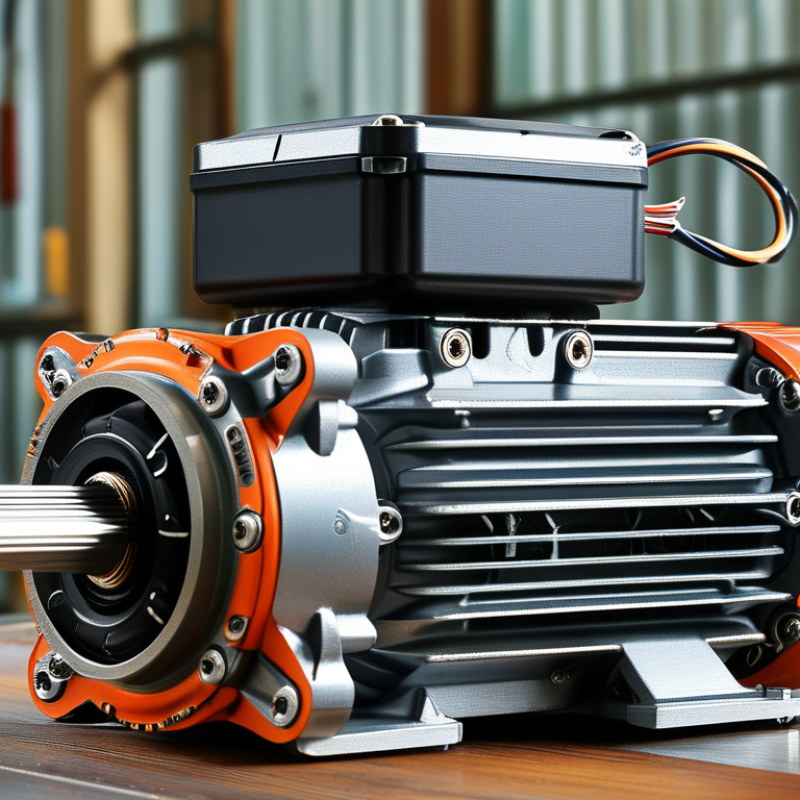
Understanding the Basics of DC Brushless Motors
DC brushless motors are widely used in various applications. Understanding their basics is crucial for buyers. These motors operate without brushes, which reduces wear and tear. This design eliminates sparking, enhancing reliability.
A key feature of DC brushless motors is their efficiency. They convert electrical energy into mechanical energy very effectively. This leads to reduced energy consumption. However, they may require complex electronic controllers, adding to initial costs. The learning curve can be steep for those new to motor technology.
Another aspect to consider is heat generation. Brushless motors often run cooler than brushed models. However, improper setup can lead to overheating. Users must ensure proper ventilation and placement. Knowledge about these factors can help buyers make informed decisions. Understanding these elements will aid in selecting the right motor for specific needs.
Top 10 DC Brushless Motors Buyers Need to Know - Understanding the Basics of DC Brushless Motors
| Attribute | Description | Importance |
|---|---|---|
| Voltage Rating | The operating voltage range for the motor, typically between 5V to 48V. | Crucial for ensuring compatibility with your power supply. |
| Current Rating | The maximum current the motor can handle, usually in Amperes. | Important for managing heat and performance. |
| Speed (RPM) | The speed of the motor measured in revolutions per minute. | Essential for applications requiring precise speed control. |
| Torque | The rotational force produced by the motor, typically measured in Nm. | Key for applications requiring strength and movement capability. |
| Efficiency | The ratio of useful output power to total input power, expressed as a percentage. | Higher efficiency leads to lower operational costs. |
| Size and Weight | Physical dimensions and weight of the motor. | Crucial for fitting into limited spaces in devices. |
| Control Method | The technique used to control the motor, such as PWM or servo control. | Determines compatibility with existing systems. |
| Lifespan | Expected operational life of the motor under specified conditions. | Affects long-term performance and maintenance costs. |
| Cost | Market price of the motor based on features and specifications. | Relevant for budget considerations in purchasing. |
| Heat Dissipation | Ability of the motor to manage heat generated during operation. | Critical for maintaining efficiency and avoiding damage. |
FAQS
: They lack brushes, reducing friction and heat. This leads to better efficiency and longevity.
The absence of brushes results in less noise. This makes them suitable for quiet applications.
They typically use an electronic speed controller. This allows for smoother acceleration and better torque control.
Look for voltage, current ratings, and power needs. Mismatched specifications can cause underperformance.
Higher efficiency means lower operating costs. It also impacts the motor's lifespan.
Excessive heat can reduce efficiency and lifespan. Proper management is necessary for optimal performance.
The motor's size and weight impact the overall design. Consider how installation can affect system performance.
Data sheets may be misleading. Always cross-check information from multiple sources for accuracy.
Life expectancy varies by type. Research similar motors to understand potential lifespan and reliability.
Yes, some motors require more upkeep. This affects total cost and should be factored into your decision.
Conclusion
DC brushless motors are becoming increasingly popular due to their efficiency and reliability. Understanding the basics, these motors utilize an electronic controller to drive the motor, eliminating the need for brushes that can wear out over time. Key features that set DC brushless motors apart include their higher energy efficiency, longer lifespan, and quieter operation compared to traditional brushed motors.
In various industries, DC brushless motors find applications in robotics, automotive systems, and HVAC equipment, among others. When choosing a DC brushless motor, it's essential to consider factors such as power requirements, speed, and torque specifications. To ensure longevity and maintain optimal performance, regular maintenance practices should be followed, including keeping the motor clean and properly lubricated. By understanding these elements, buyers can make informed decisions when selecting DC brushless motors for their specific needs.
