In the ever-evolving landscape of automation, the significance of utilizing a Stepper Gear Motor cannot be overstated. Industry expert Dr. James Carter emphasizes, "Stepper Gear Motors deliver precision and control unmatched by other technologies." This statement highlights their crucial role in modern engineering projects.
Stepper Gear Motors combine the benefits of stepper motors with the advantages of gearing. This combination results in improved torque and efficiency. In various applications, from robotics to CNC machinery, these motors ensure accurate positioning. However, users often overlook the challenges of selecting the right specifications.
The benefits of using a Stepper Gear Motor extend far beyond mere functionality. Projects can achieve enhanced performance and sustainability. Each motor choice reflects a balance between power and control. Yet, the selection process requires thoughtful consideration of project needs. Understanding these dynamics is vital for successful implementation.
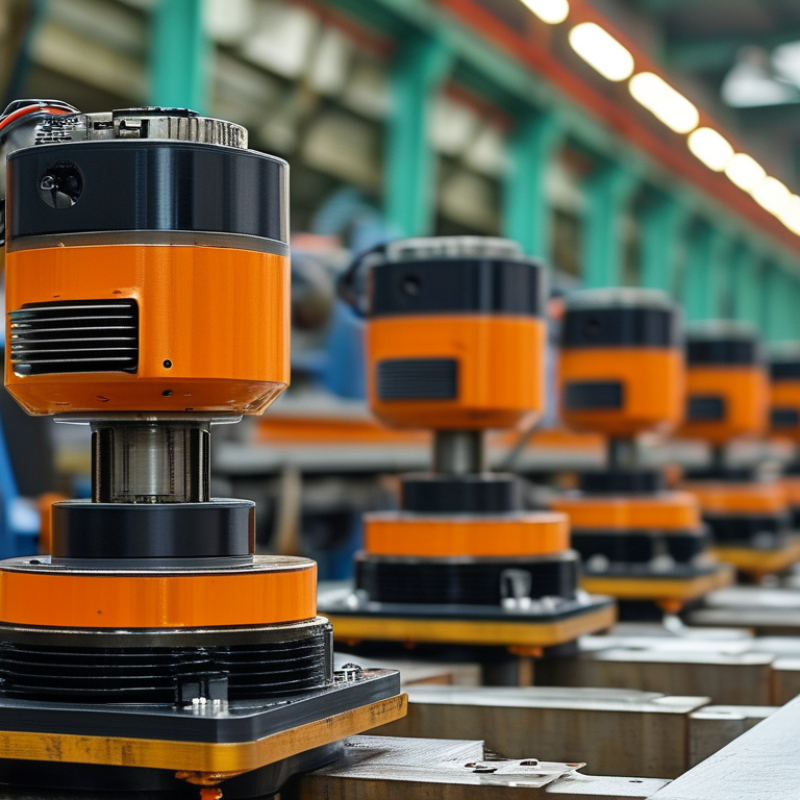
Stepper gear motors are an essential component in many engineering projects. They combine the benefits of stepper motors and gear reducers. This combination enhances precision while providing higher torque. According to a report by MarketsandMarkets, the stepper motor market is projected to grow at a CAGR of around 5.1% from 2020 to 2025. This growth indicates increasing reliance on stepper gear motors across various industries.
These motors are known for their ability to provide exact control of movement. For example, in robotics, they ensure accurate positioning. Many application areas need precise movements at low speeds. Their design usually results in higher output torque. However, this torque is often limited by the gear ratio chosen. Choosing the wrong ratio can lead to issues in performance and efficiency.
Another notable aspect is their versatility. Stepper gear motors can be used in 3D printers, CNC machines, and automated assembly lines. Yet, they are not without challenges. Overheating can be a concern with continuous use. Additionally, vibration at high speeds can affect accuracy. Understanding these nuances is crucial for effective application in any project.
This chart illustrates the top five benefits of using stepper gear motors in your projects, scored on a scale of 100. Precision control ranks highest, while ease of integration, while an important benefit, holds the lowest score.
Stepper gear motors have revolutionized motion control applications. They offer enhanced precision that is crucial for many projects. With these motors, every small movement is accurately executed. This means you can expect consistent performance, which is vital in robotics and automated systems.
One significant advantage is their ability to maintain precise positioning. In machines that require exact movements, like CNC routers, this is essential. The stepper motor divides a full rotation into smaller steps, ensuring each movement is controlled. This control leads to better outcomes in tasks ranging from 3D printing to textile machines.
However, precision does come with challenges. There are limits to the stepper motor's speed and torque. If pushed beyond these limits, the motor may skip steps. This can lead to inaccuracies and requires careful consideration during design. Understanding these potential pitfalls allows for better project planning and execution.
| Benefit | Description | Application |
|---|---|---|
| Enhanced Precision | Stepper gear motors offer precise control of angular position and speed, making them ideal for applications requiring tight tolerances. | Robotics, CNC machines |
| High Torque at Low Speeds | These motors deliver substantial torque even at low speeds, enhancing the performance of devices that require gradual movement. | Automated assembly, 3D printers |
| Open-loop Control | Stepper motors can operate in an open-loop system, eliminating the need for complex feedback systems while maintaining accuracy and reliability. | Labeling machines, pick-and-place systems |
| Cost-Effective Solution | Compared to other precision motors, stepper gear motors provide a lower-cost solution, making them accessible for a variety of projects. | DIY projects, educational kits |
| Versatile Applications | Stepper gear motors are highly adaptable and can be used across multiple industries, enhancing their utility in various applications. | Medical devices, textile machinery |
Stepper gear motors are becoming essential in various heavy-duty applications. They offer a unique advantage: improved torque output. This feature allows them to handle significant loads with precision. In industries like construction and robotics, robust torque is crucial. These motors provide consistency, which is vital for intricate movements.
When designing mechanisms, torque requirements must be analyzed. A stepper gear motor can effectively meet these demands. This motor type facilitates a higher torque at lower speeds, making it ideal for moving heavy objects. For instance, think about a robotic arm lifting a heavy component. Without sufficient torque, the arm could fail, causing safety issues and downtime.
It's important to choose the right type of stepper motor based on your project's needs. Not all motors perform equally in heavy tasks. Some might struggle under load. Reflecting on this, engineers must evaluate their options carefully. Understanding the torque limits and operational parameters of these motors is essential to avoid underperformance.
When it comes to integrating mechanical systems,
stepper gear motors excel in numerous projects. Their design allows precise control over motion, making them ideal for applications requiring accuracy.
Many engineers appreciate their ability to simplify complex systems.
This feature helps minimize potential errors during integration.
Moreover, stepper motors are versatile.
They can connect seamlessly with a variety of control systems. This adaptability streamlines setup processes, saving valuable time during project development.
Users can rely on robust specifications that ensure consistent performance.
Yet, one must be cautious about compatibility issues.
Each project may present unique challenges that require thorough testing.
While stepper gear motors have clear advantages,
they also demand careful consideration. Overloading them can lead to overheating, affecting performance.
Users need to assess load requirements precisely to avoid issues.
Additionally, selecting the right driver is crucial for achieving optimal functionality.
Each of these factors requires reflection and adjustment during integration, making the process both rewarding and challenging.
Stepper gear motors present a unique advantage in cost-effectiveness for long-term projects. These motors often have a lower initial purchase price compared to other types. However, their real cost savings emerge from their durability and maintenance needs. Many designs can run for extended periods without significant wear or need for replacement parts.
In practical terms, using stepper gear motors can result in fewer operational interruptions. For instance, in robotics or CNC machines, downtime equates to lost money. Fewer repairs lead to smoother workflows and more efficient output. This reliability contributes to their overall economic viability.
Nevertheless, not all stepper gear motors perform equally in every application. It's essential to evaluate specific project requirements. Factors like load, speed, and precision can influence motor choice. Buyer diligence remains crucial in ensuring the selected motor meets long-term needs while providing operational cost efficiency.
: They offer enhanced precision for accurate movements and consistent performance in various applications.
They divide each full rotation into smaller steps, enabling controlled movements essential for tasks like CNC machining.
There are limits in speed and torque; exceeding these can cause skipped steps and inaccuracies in performance.
Their design allows for precise control, minimizing potential errors and easing the integration of mechanical systems.
Compatibility issues can arise; thorough testing and careful consideration of load requirements are essential for success.
They typically have lower initial costs and require less maintenance, leading to fewer operational interruptions.
Specific factors like load and precision impact performance; diligent evaluation ensures the right motor is selected.
Fewer repairs and operational downtimes lead to smoother workflows and greater efficiency, saving money over time.
Yes, overloading can cause overheating and performance issues; users must carefully assess load capacity.
Choosing the right driver is vital for optimal performance, requiring reflection and adjustments during integration.
Stepper gear motors are an excellent choice for a variety of projects due to their numerous advantages. Firstly, they offer enhanced precision in motion control, making them ideal for applications that require exact positioning. This precision is complemented by improved torque output, capable of handling heavy-duty tasks efficiently.
Moreover, stepper gear motors simplify integration within different systems, allowing for easier implementation across various projects. Their cost-effectiveness becomes evident in long-term use, as they often provide substantial savings on maintenance and operational costs. Overall, utilizing stepper gear motors can significantly benefit projects, enhancing performance and efficiency.
