In today's fast-paced market, manufacturers demand efficiency and reliability. The quest for dependable components leads many to consider the "Ready To Ship Gear Motor." This product is designed to meet the needs of global buyers, ensuring immediate availability and performance.
With advancements in technology, these gear motors offer various specifications. They are integral in numerous applications, from robotics to conveyor systems. However, selecting the right one requires more than just technical data. Buyers should assess quality, performance, and supplier reputation. Discerning buyers may encounter challenges when filtering through numerous options.
Understanding the specific requirements of your application is crucial. It can be tempting to prioritize price over quality. Ultimately, investing in a reliable, "Ready To Ship Gear Motor" can lead to long-term savings and improved productivity. Emphasizing these factors is essential for making informed decisions.
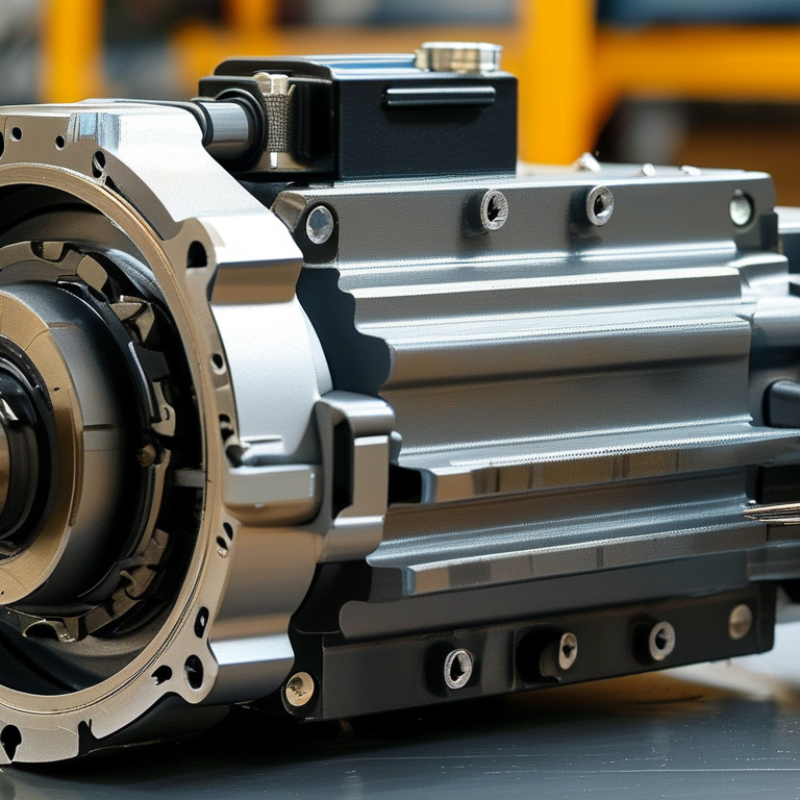
Ready to ship gear motors are essential for many industries. These motors support various applications, including automation and robotics. Their availability for global distribution simplifies procurement for businesses. Industries can benefit from accessing ready-to-ship options without long wait times.
When selecting gear motors, consider performance specifications. Evaluate torque requirements and speed ranges. This ensures the motor meets your operational demands. Always research and compare different options to find the best fit.
Tips: Check stock levels before placing an order. Confirm lead times to avoid delays. Communication with suppliers is crucial for smooth transactions. Reflect on your long-term needs. A focus on quality can prevent future complications. Investing wisely in gear motors will support successful projects.
Gear motors play a crucial role in a wide range of applications worldwide. For international buyers, understanding their key features can lead to more effective procurement decisions. According to the International Federation of Robotics, the global industrial robot market is projected to grow by 12% annually, driving the demand for reliable gear motors. These motors are essential for converting speed and torque, which makes them integral in automation.
A significant benefit of gear motors lies in their efficiency. Industry reports indicate that gear motors can improve energy efficiency by up to 30% compared to traditional motors. This efficiency is vital for reducing operational costs and minimizing environmental impact. Their compact size and flexibility allow for easy integration into existing systems, which can save time and resources during installation.
However, there are challenges to consider when sourcing gear motors. Quality can vary significantly based on manufacturing standards. International buyers must evaluate suppliers closely to ensure reliability. Additionally, understanding the specific requirements of the application is crucial. Not all gear motors will perform equally under various conditions, and this can affect performance and longevity. Therefore, conducting thorough research is essential before making purchasing decisions.
The global gear motor market is witnessing significant growth. According to a recent report by MarketsandMarkets, the market size is expected to reach approximately $8 billion by 2026, with a compound annual growth rate (CAGR) of around 4.8%. This growth is driven by the increasing demand for automation across various industries. Robotics, manufacturing, and renewable energy sectors are key contributors.
One notable trend is the rising adoption of energy-efficient gear motors. Many buyers are prioritizing sustainability and performance. The International Energy Agency (IEA) emphasizes that energy-efficient motors can reduce energy consumption by 30%. This shift reflects a larger effort to minimize environmental impact while maintaining productivity.
However, challenges persist in the market. Supply chain disruptions and fluctuating raw material costs have impacted product availability. Reported delays in shipments can affect operations, causing stakeholders to reassess their sourcing strategies. Buyers are encouraged to keep a close eye on these factors while making procurement decisions. Balancing cost and efficiency is crucial for future success in this competitive landscape.
When selecting gear motors for various applications, several critical factors come into play. Performance requirements, such as torque and speed, must align with the specific needs of the project. A recent industry report indicates that energy efficiency is becoming increasingly important, with over 70% of buyers prioritizing this feature. Understanding the application environment is crucial. For instance, motors in high-temperature settings should have temperature ratings that can withstand extreme conditions.
In terms of maintenance, the longevity of gear motors is essential. Research shows that proper lubrication can enhance motor life by up to 50%. Regular checks on wear parts and alignment can mitigate unexpected failures. Buyers often overlook the importance of vibration analysis. This simple method can predict motor health and inform necessary adjustments before a complete breakdown occurs.
Tips: Always calculate the required torque and speed carefully. Don’t hesitate to consult with experts in motor technology. Lastly, consider the total cost of ownership, not just the initial price. Gear motors are investments that should perform well over time and provide reliable service.
| Application | Rated Power (W) | Input Voltage (V) | Gear Ratio | Torque (Nm) | Speed (RPM) |
|---|---|---|---|---|---|
| Conveyor Systems | 100 | 230 | 30:1 | 15 | 20 |
| Packaging Machines | 200 | 400 | 50:1 | 20 | 15 |
| Robotics | 150 | 24 | 10:1 | 25 | 50 |
| Elevators | 300 | 230 | 25:1 | 30 | 10 |
| Automated Guided Vehicles (AGVs) | 180 | 48 | 15:1 | 40 | 30 |
Shipping gear motors globally presents various logistical challenges. Factors such as
international regulations, customs procedures, and
transportation infrastructure can create obstacles. Reports suggest that delays can occur in
up to 30% of shipments due to
paperwork issues. Supply chain disruptions further complicate this landscape, particularly
post-pandemic.
Timely delivery is critical. Each delay can impact
production timelines and overall project scopes. Consider using local suppliers where possible.
This can enhance reliability and cut down delivery times. Monitoring logistics partners closely
will also help in addressing issues proactively.
Thinking ahead is vital. Understand the specific regulations in each target market. Some
countries have stringent import tariffs that can influence your pricing strategy. Preparing for
these challenges with local insights can lead to smoother transactions.
Flexibility in logistics planning
is key to navigating these dynamics.
: Gear motors are crucial for converting speed and torque, integral in automation across multiple industries.
Gear motors can enhance energy efficiency by up to 30%, reducing operational costs and environmental impact.
Quality can vary widely. Buyers need to evaluate suppliers carefully and understand application requirements.
The global gear motor market may reach $8 billion by 2026, growing at approximately 4.8% annually.
The rise of energy-efficient gear motors reflects a shift towards sustainability and reduced energy consumption.
Delays can occur due to paperwork issues, customs procedures, and supply chain disruptions post-pandemic.
Using local suppliers can enhance reliability and reduce delivery times, leading to smoother operations.
Some countries enforce strict import tariffs. Understanding these can influence pricing strategies significantly.
It helps address shipment issues before they escalate, ensuring timely delivery and project continuity.
Balancing cost and efficiency is essential for success amid challenges like fluctuating raw material costs.
The article "Ready To Ship Gear Motors for Global Buyers Today?" provides a comprehensive overview of the growing availability of ready to ship gear motors tailored for international distribution. It highlights the key features and advantages these gear motors offer, making them an attractive option for global buyers. The current trends in the global gear motor market are discussed, emphasizing the increasing demand and innovation in this sector.
Furthermore, the article addresses important considerations for selecting the right gear motors for various applications, ensuring that customers make informed choices. It also delves into logistical challenges associated with shipping gear motors worldwide, providing insights on how to navigate these obstacles effectively. Overall, the piece reinforces the significance of ready to ship gear motors in meeting the needs of a diverse customer base while adapting to global market dynamics.
