Choosing among China’s best Air Compressor Motor manufacturers requires more than comparing catalog prices. The motor affects efficiency, pressure stability, maintenance, and production continuity. The U.S. Department of Energy reports that compressed air systems may consume about 10% of industrial electricity. Its guidance also identifies leakage as a significant source of avoidable energy loss. These figures make motor selection an operating-cost decision, not merely a purchasing task.
This introduction explains how to assess Chinese suppliers through measurable evidence. Review rated power, efficiency class, insulation system, cooling method, duty cycle, and service conditions. Check whether testing follows relevant IEC standards and whether performance data supports ISO 1217 compressor requirements. The International Energy Agency consistently highlights efficient motor systems as an important industrial energy-saving opportunity. Ask manufacturers for test reports, factory quality records, bearing specifications, and documented warranty terms. A polished brochure is not enough.
Field experience still matters. A motor running beside a dusty compressor room needs stronger protection than one installed in a clean workshop. Confirm IP rating, ambient-temperature limits, vibration control, spare-part availability, and response time. Speak with users operating similar screw or reciprocating compressors. Their maintenance logs may reveal more than a sales presentation. A low purchase price can look attractive. It can also hide higher electricity bills, frequent bearing replacement, or delayed support. No shortlist is perfect. Buyers should challenge unclear claims, compare total lifecycle cost, and inspect production capability before signing. This practical approach helps identify reliable Air Compressor Motor manufacturers in China while reducing technical and commercial risk.
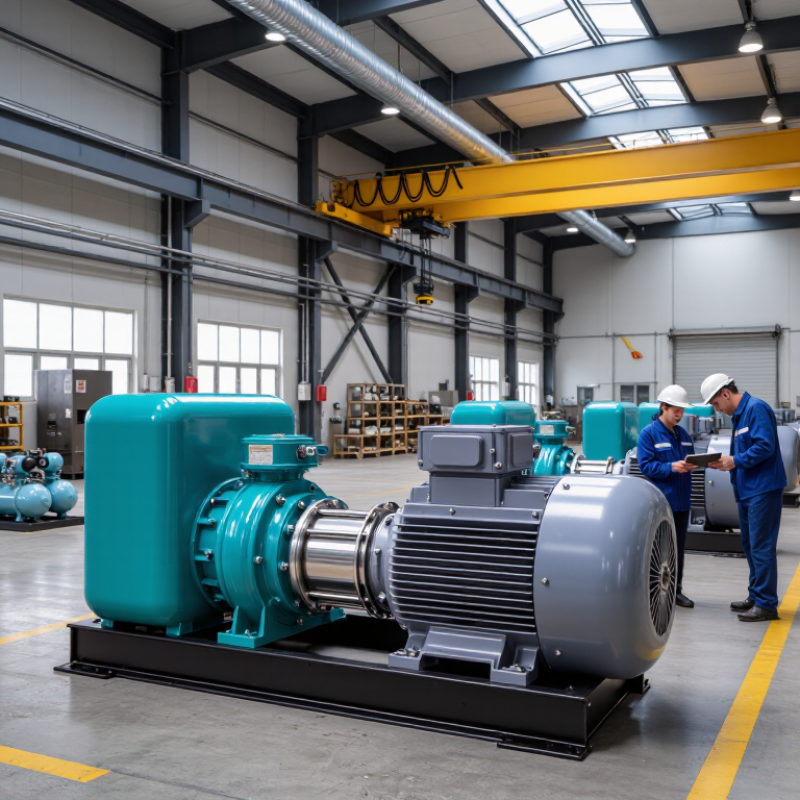
China’s best air compressor motor manufacturers produce several motor types for different operating demands. The most common is the three-phase induction motor, valued for its simple structure, stable torque, and easy maintenance. It suits fixed-speed screw compressors and many workshop systems.
Permanent magnet synchronous motors offer higher efficiency, especially when compressor demand changes throughout the day. They can reduce wasted energy during partial-load operation, but they need compatible drives and careful temperature control. Brushless DC motors are often used in smaller, portable compressors because they provide compact power with precise speed control. Single-phase motors remain practical for light-duty equipment, although their starting performance is usually more limited.
In practical purchasing, motor type should match the compressor, duty cycle, voltage, cooling method, and installation environment. Check rated power, insulation class, IP protection, bearing quality, and inverter compatibility. Costs can mislead. A cheaper motor may consume more electricity or require earlier repairs.
Ask for test records, efficiency data, vibration limits, and continuous-run results. A clear factory inspection also helps verify winding quality and assembly consistency.
I would not choose from efficiency figures alone. Noise matters too. A specification sheet can hide poor heat dissipation, weak terminals, or unstable speed control. Reconsider the choice when service support, spare parts, or technical documents are vague.
Evaluating motor manufacturers requires more than comparing prices. The International Energy Agency reports that motor-driven systems consume a large share of global electricity, making efficiency a long-term operating issue. Check whether the manufacturer tests motors under IEC 60034-2-1 conditions. Request measured efficiency, power factor, temperature rise, vibration, and noise results. Efficiency classes should follow IEC 60034-30-1.
A credible supplier can provide traceable test records, calibrated instruments, and production samples that match the approved design.
Quality systems also matter. ISO 9001 certification supports controlled production, but a certificate alone proves little. Ask for recent audit findings, corrective-action records, and material traceability.
For air compressor motors, inspect insulation systems, bearing quality, shaft balance, cooling paths, and enclosure protection.
ISO 20816 vibration guidance helps define acceptable operating conditions. The U.S. Department of Energy notes that compressed-air leaks can waste 20–30% of compressor output.
Therefore, motor efficiency must be judged with the complete compressor system, not the nameplate alone. This is often overlooked.
Tips:
Ask for a witnessed factory acceptance test. Compare three consecutive test reports, not one perfect sample. Confirm the warranty response time and spare-parts availability in writing. Visit the plant if possible, and watch how technicians handle winding defects and final inspection. I would not trust polished documents without physical evidence. A cheaper motor may appear efficient, yet poor cooling can shorten its service life. Leave room for doubt. That protects the buyer.
When comparing Chinese air compressor motor suppliers, begin with verified engineering data, not catalog claims. The U.S. Department of Energy’s Improving Compressed Air System Performance sourcebook reports that compressed air can consume 10% or more of industrial electricity. Motor efficiency therefore affects operating cost for years. Request test results under your actual voltage, frequency, load, and duty cycle. IEC 60034-2-1 defines motor efficiency testing, while IEC 60034-30-1 classifies efficiency levels. A supplier should identify the test method clearly.
Check more than rated horsepower. Compare IE efficiency class, service factor, insulation class, IP protection, bearing design, starting current, and inverter compatibility. For dusty workshops, IP55 may be insufficient if sealing quality is inconsistent. Ask for temperature-rise records, vibration readings, and load-test videos. Useful evidence includes serial-number traceability and reports from an independent laboratory. Small details matter.
The International Energy Agency estimates that electric motor systems use nearly half of global electricity. This makes lifetime energy consumption more important than the lowest purchase price. Compare five-year costs using efficiency, annual running hours, electricity price, maintenance, and downtime. Request two production samples before placing a large order. Measure noise and temperature after continuous operation. My practical concern is simple: factory photos prove little. A polished report can still hide weak quality control, so audit the process and review failed-sample records. Numbers matter. Suppliers should answer uncomfortable questions.
How to Compare Chinese Air Compressor Motor Suppliers
This benchmark compares the rated efficiency of four-pole, 50 Hz motors across common air compressor power ranges. The figures are reference values aligned with IEC 60034-30-1 efficiency classes. When evaluating suppliers, confirm the exact motor rating, IE efficiency class, test report, IP protection, insulation class, warranty, and after-sales support.
China Best Air Compressor Motor Manufacturers: How to Choose?
Before ordering, verify the motor’s technical fit, not only its catalogue price. The U.S. Department of Energy reports that compressed air can consume 10% of industrial electricity. It also notes that leakage may waste 20–30% of compressor output. Ask for tested efficiency data at your actual load, speed, and pressure. Check IE3 or IE4 efficiency, rated duty, insulation class, IP protection, cooling method, and VFD compatibility. A motor that looks powerful on paper may overheat during frequent starts.
Request factory test records, including voltage, current, temperature rise, vibration, noise, and bearing results. Compare these records with IEC 60034 requirements. The International Energy Agency estimates that electric motor systems use roughly half of global electricity. Small efficiency differences therefore affect long-term operating costs. Confirm shaft dimensions, mounting type, rotation direction, service factor, and ambient-temperature limits. Details matter.
Commercial checks deserve equal attention. Calculate total cost using energy use, maintenance, spare parts, freight, taxes, and expected downtime. Ask whether the manufacturer keeps matching bearings, fans, and terminal boxes available. Confirm the warranty period, claim procedure, inspection rules, payment terms, and delivery schedule in writing. Factory audits and a pre-shipment inspection reduce surprises, although they cannot remove every risk. A low quotation can still become expensive. I have seen buyers compare prices while ignoring replacement lead times. That is an easy mistake. Also review sample performance honestly; one successful test does not prove stable mass production.
| Evaluation Area | What to Check Before Ordering | Practical Technical or Commercial Reference | Required Evidence | Ordering Risk if Unverified |
|---|---|---|---|---|
| Motor Power and Load Matching | Confirm rated power, rated speed, starting torque, duty cycle, compressor type, and operating pressure. | The motor should be selected from the compressor manufacturer's actual shaft-power requirement, including starting and peak-load conditions. Avoid selecting only by nominal horsepower. | Compressor load profile, shaft-power calculation, motor datasheet, and application-sizing confirmation. | Overload trips, overheating, poor efficiency, or insufficient starting performance. |
| Voltage, Frequency, and Phase | Check supply voltage, frequency, phase configuration, voltage tolerance, and whether the motor will operate with a variable frequency drive. | Common industrial supplies include three-phase 50 Hz or 60 Hz systems, but the nameplate must match the actual installation voltage and frequency. | Approved nameplate drawing, wiring diagram, voltage/frequency range, and VFD compatibility statement. | Incorrect speed, excessive current, nuisance faults, or permanent motor damage. |
| Efficiency Class | Request the declared efficiency class and rated-load efficiency at the intended operating point. | IEC 60034-30-1 defines efficiency classes such as IE3 and IE4 for applicable three-phase AC motors. The required class may depend on local regulations and project specifications. | Efficiency test report, nameplate data, applicable standard reference, and loss data where available. | Higher lifetime electricity cost and possible non-compliance with energy-efficiency requirements. |
| Protection Rating | Verify protection against dust, water, washdown, and the environmental conditions around the compressor. | IP55 is a common industrial minimum for enclosed motors, but the appropriate rating depends on dust, moisture, cleaning methods, and installation location. IP ratings should be stated according to IEC 60529. | IP test declaration, enclosure drawing, shaft-seal details, and environmental application statement. | Moisture ingress, bearing contamination, insulation failure, and shortened service life. |
| Insulation System and Temperature Rise | Check insulation class, allowable temperature rise, ambient temperature, altitude, and cooling method. | Class F insulation is widely used in industrial motors. A motor intended for ambient temperatures above 40°C or high altitude may require derating or special design. | Thermal test report, insulation-class declaration, derating curve, and cooling-system description. | Thermal aging, winding failure, reduced output, or unexpected shutdowns. |
| Starting Method and Inrush Current | Confirm direct-on-line, star-delta, soft-starter, or VFD starting requirements. | Large induction motors can draw several times their rated current during direct starting. The starting method must be compatible with the electrical system and compressor control sequence. | Locked-rotor current, starting-torque data, acceleration test, and control-system compatibility confirmation. | Voltage dips, starter failure, belt or coupling stress, and unsuccessful compressor start-up. |
| Bearings and Mechanical Interface | Check bearing type, bearing life, shaft dimensions, mounting arrangement, keyway, flange, and coupling alignment. | The mounting form, frame size, shaft extension, and radial or axial load capacity must match the compressor package exactly. IEC 60034-7 is commonly used for mounting classifications. | Certified dimensional drawing, bearing schedule, allowable shaft loads, and interface inspection record. | Misalignment, vibration, coupling wear, abnormal noise, or installation delays. |
| Vibration and Noise | Request vibration limits, balancing grade, sound-pressure data, and test conditions. | Vibration acceptance should be defined by the agreed motor standard and test method. Results are meaningful only when speed, mounting, load, and measurement position are specified. | Routine test report, balancing record, vibration readings, and noise test conditions. | Premature bearing wear, workplace noise issues, and compressor-package resonance. |
| Manufacturing Standards and Testing | Confirm applicable electrical, mechanical, safety, and quality standards for the destination market. | IEC 60034-1 covers general performance requirements for rotating electrical machines. Additional local certification may be required for the installation country. | Type-test records, routine-test reports, conformity documents, and quality-control plan. | Customs or installation delays, rejected goods, and difficulty obtaining project approval. |
| Customization Capability | Evaluate the ability to provide special shafts, flanges, sensors, heaters, brakes, terminal boxes, or modified cooling systems. | Any non-standard modification should be documented in a controlled drawing and approved before production. | Technical proposal, revision-controlled drawings, change-control procedure, and sample approval process. | Incorrect fit, repeated engineering changes, rework, and delivery disputes. |
| Production Capacity and Lead Time | Ask about monthly capacity, production slots, component availability, inspection time, and realistic delivery dates. | Lead time is order-specific and should include engineering approval, material purchasing, manufacturing, testing, packing, and transport preparation. | Detailed production schedule, capacity statement, milestone plan, and shipment commitment. | Project delays, production stoppages, and additional expedited-freight costs. |
| Warranty and After-Sales Support | Review warranty duration, covered failures, exclusions, response time, spare-parts availability, and technical support channels. | Warranty terms should define the start date, remedy method, transportation responsibility, and required operating conditions in writing. | Signed warranty statement, service procedure, spare-parts list, and escalation contacts. | Long downtime, unclear liability, and high repair or replacement costs. |
| Total Cost of Ownership | Compare purchase price with energy consumption, maintenance, spare parts, downtime, installation, and disposal costs. | For continuously operated compressors, electricity usually represents a major part of lifecycle cost; efficiency and reliability should be evaluated together with initial price. | Energy-cost model, efficiency data, maintenance intervals, spare-parts pricing, and expected service life. | A low purchase price may result in higher operating expenses and shorter payback performance. |
| Payment, Incoterms, and Logistics | Clarify quotation validity, payment stages, Incoterms, packing method, export documents, insurance, and delivery responsibilities. | The commercial offer should state currency, taxes, shipping scope, inspection charges, and responsibilities for loss or damage during transport. | Formal quotation, proforma invoice, packing specification, shipping documents, and agreed Incoterms. | Unexpected landed costs, customs problems, payment disputes, or damaged goods. |
Recommended procurement rule: Approve the motor only after the technical datasheet, dimensional drawing, test requirements, delivery schedule, warranty terms, and total landed cost have been reviewed together.
Selecting the best air compressor motor manufacturer starts with your application, not a catalog. Check pressure, flow, duty cycle, ambient temperature, and starting frequency. A motor running beside a furnace needs different insulation and cooling from one used in a clean workshop.
Energy performance deserves close attention. The International Energy Agency reports that electric motor systems use about 46% of global electricity. The U.S. Department of Energy also identifies compressed air as a major industrial energy user, often representing 10% of factory electricity. Ask manufacturers for tested efficiency curves, power-factor data, and part-load performance. Do not accept only a maximum efficiency figure. It may describe a perfect laboratory point.
Reliability depends on more than the motor itself. Confirm compliance with IEC 60034 requirements, protection ratings, bearing design, vibration limits, and local service capability. Request test records based on ISO 1217 where the motor supports a complete compressor package. Spare bearings, winding support, and response time matter during a night shift failure. Field experience suggests that weak documentation creates expensive uncertainty. Yet a polished certificate can still hide poor maintenance planning. Compare warranty terms, inspection procedures, and temperature-rise data. Leave room for doubt. A lower purchase price may become costly when voltage imbalance, dust, or frequent starts expose the wrong design.
Request measured efficiency, power factor, temperature rise, vibration, and noise results.
Ask for the efficiency class and the exact testing method.
Compare rated power, service factor, insulation class, IP protection, cooling method, and inverter compatibility.
Review the enclosure protection and sealing quality.
Ask for voltage, current, temperature-rise, vibration, noise, and bearing test records.
Yes, request at least two samples before placing a large order.
Include energy use, maintenance, spare parts, freight, taxes, and expected downtime.
Confirm the warranty period, claim process, payment terms, inspection rules, and delivery schedule in writing.
No. Ask for recent audit findings, corrective actions, and material traceability.
Choosing the best Air Compressor Motor manufacturer in China requires a clear understanding of motor types, quality standards, supplier capabilities, and application requirements. Buyers should first compare options such as induction motors, permanent magnet motors, and variable-speed motors according to power demand, operating environment, efficiency goals, and maintenance needs. Important quality indicators include stable performance, reliable insulation, effective heat dissipation, accurate manufacturing, safety testing, and compliance with relevant international standards.
Before ordering, evaluate each supplier’s production capacity, technical expertise, customization services, testing procedures, delivery reliability, warranty terms, communication, and total cost. It is also essential to confirm rated power, voltage, frequency, protection level, efficiency class, noise, installation dimensions, and compatibility with the compressor system. The best manufacturer is not always the lowest-cost option; it should provide consistent quality, responsive technical support, transparent commercial terms, and a motor designed for long-term, safe, and efficient operation in your specific application.
