What is a Dc Gear Motor and How Does It Work?
In the world of mechanical engineering, the "Dc Gear Motor" stands out for its versatility and efficiency. Experts in the field emphasize the significance of understanding its functionalities. John Smith, a renowned engineer in this domain, once stated, "The heart of automation lies in the precision of Dc Gear Motors." This statement encapsulates the critical role these motors play in various applications.
A Dc Gear Motor combines a direct current motor with a gearbox. This fusion allows for speed reduction while increasing torque—a crucial requirement in many industries. For instance, these motors are widely used in robotics, automotive applications, and conveyor systems. Understanding how a Dc Gear Motor functions is essential for optimizing performance.
Despite their advantages, there are challenges. Users often overlook the importance of proper sizing and configuration. Poor selection can lead to inefficiencies or failures. Thus, while the potentials of Dc Gear Motors are vast, careful consideration and expertise are needed to realize their full capabilities.
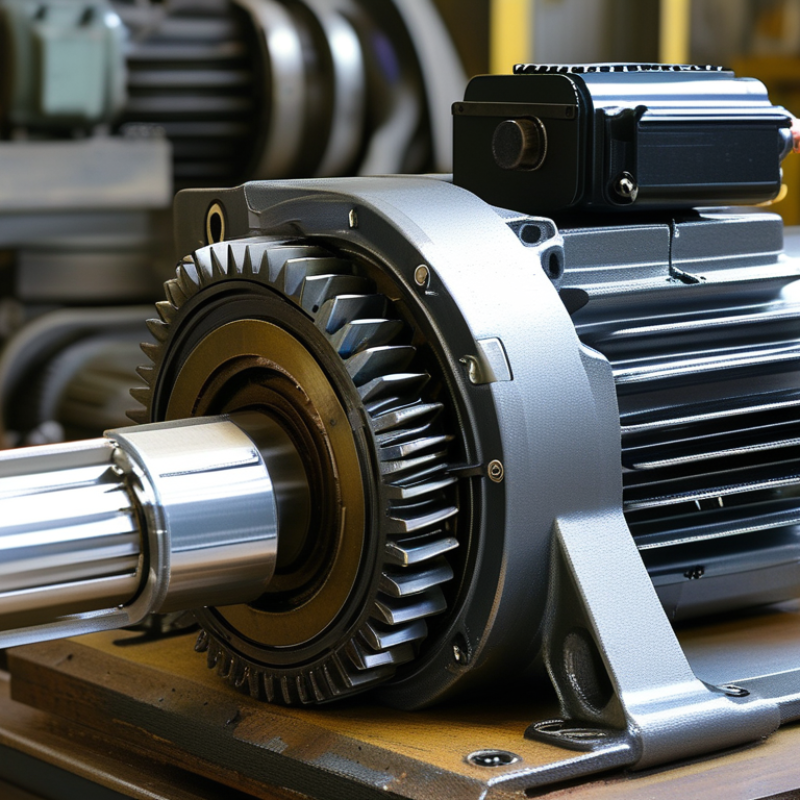
What is a DC Gear Motor? Definition and Components Explained
A DC gear motor is a sophisticated device that combines a direct current (DC) motor with a gear system. This integration allows it to provide high torque at low speeds. The main components include the motor, gears, and the output shaft. The motor converts electrical energy into mechanical energy. The gears then adjust the speed and torque to meet specific needs.
Tip: When selecting a DC gear motor, consider the application requirements. Identify the necessary voltage and torque specifications. The right choice can enhance efficiency in your project.
The gear system comprises several gears that work together to multiply the motor's output. These gears can either increase torque or reduce speed. Depending on the gear ratio, users can achieve different performance levels. However, higher gear ratios may lead to slower speeds, which might not suit all applications.
Tip: Always check the gear ratio needed for your project. An unsuitable gear ratio can result in underperformance. Proper testing can save time and effort in the long run.
What is a DC Gear Motor and How Does It Work?
| Component | Description | Function |
|---|---|---|
| DC Motor | An electric motor that converts direct current electrical energy into mechanical energy. | Provides the rotational motion required for various applications. |
| Gearbox | A mechanical device that modifies the speed and torque of the motor's output. | Increases torque and reduces speed, suitable for heavy-duty applications. |
| Output Shaft | The rotating part that delivers mechanical energy to the connected load. | Transfers the output motion to drive machines, wheels, or other components. |
| Power Supply | Source of direct current voltage to power the motor. | Supplies energy to the motor to initiate its operation. |
| Controller | An electronic component that regulates the motor's speed and direction. | Allows for precise control over the motor's operation according to application needs. |
FAQS
: DC gear motors are used in automotive adjustments, manufacturing systems, and robotics for enhanced precision and control.
They combine a DC motor with a gear train to reduce speed and increase torque, suitable for heavy components.
Consider the application's torque and speed requirements, as well as the environmental conditions where the motor operates.
Torque indicates the rotational force produced. Higher torque is essential for heavier loads, while lighter tasks need less torque.
Speed, measured in RPM, may not always coincide with sufficient torque for tasks, creating a design trade-off.
A gear ratio affects both torque and speed. Understanding it helps avoid mismatches in motor performance for specific applications.
They efficiently convert electrical to mechanical energy, allowing consistent performance and easy control in various applications.
They may be sensitive to high temperatures, can require maintenance, and generate noise in sensitive environments.
High temperatures and humidity can reduce performance and lifespan, making context consideration essential for effective use.
Conclusion
A DC gear motor is a vital component in various mechanical systems, combining the functionality of a direct current (DC) motor and a gearbox. It consists of essential components such as the motor itself, gear train, and output shaft, all working together to convert electrical energy into rotational motion while reducing speed and increasing torque. The working principle involves the interaction of magnetic fields within the motor, which drives the gears to modify the output speed and torque according to specific requirements.
These motors find applications across numerous industries, including robotics, automotive, and manufacturing, where precise movement and control are crucial. When evaluating DC gear motors, key specifications such as torque, speed, and efficiency metrics are considered, along with their advantages, like compact design and ease of control, and limitations, such as potential overheating and reduced efficiency under heavy loads. Overall, DC gear motors play a critical role in enabling efficient and reliable operation in various engineering applications.
