10 Tips for Choosing the Right Low Voltage Motor?

Time:2026-10-12 Author:Sienna
0%

Choosing the right Low Voltage Motor affects energy use, machine reliability, maintenance time, and operator safety. A motor may appear suitable on a catalogue page, yet fail when dust, heat, voltage fluctuation, or frequent starting enters the picture. The correct choice begins with the real working conditions, not only the rated power.

This guide presents 10 practical tips for evaluating motor selection. It considers load type, starting torque, speed control, efficiency, enclosure protection, insulation, installation space, and service support. A conveyor moving heavy boxes needs different performance from a quiet ventilation fan. Check the nameplate carefully. Voltage, frequency, current, duty rating, and efficiency class should match the system and local requirements.

Small details matter. A motor installed near a washdown area may need stronger ingress protection. A poorly aligned coupling can create vibration within weeks. Experienced engineers also review ambient temperature, altitude, braking needs, and expected operating hours before approval. IEC or NEMA guidance can support the decision, but documentation must match the actual installation.

No selection method is perfect. Even a detailed spreadsheet can miss an unusual load cycle or unexpected heat buildup. That is why measurements, supplier verification, and commissioning checks remain valuable. Ask for test data when efficiency claims influence operating costs. Review the warranty and spare-part availability, too. The cheapest motor is not always the lowest-cost option over five years. Careful comparison creates a more dependable result, although real equipment may still challenge the original assumptions.
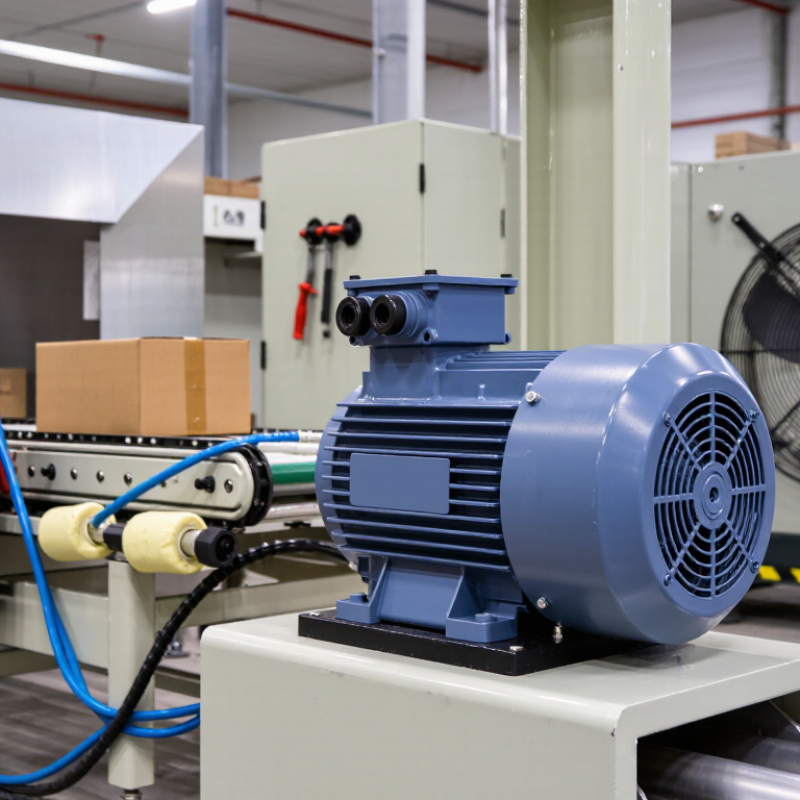
10 Tips for Choosing the Right Low Voltage Motor?

Define the Motor’s Voltage, Power, and Duty Requirements

10 Tips for Choosing the Right Low Voltage Motor

Define the motor’s voltage, power, and duty requirements before comparing models. Check the available supply at the installation point, not only the value shown on a drawing. Voltage imbalance, long cable runs, and startup voltage drops can affect performance. Do not guess. Record phase, frequency, and measured voltage under realistic conditions. A motor designed for the wrong voltage may overheat, trip protection, or deliver poor torque.

Tip: Match rated voltage and frequency carefully. Then calculate the required power from the actual load, not the machine’s maximum label. Consider starting torque, acceleration time, efficiency, and service factor. A conveyor may need more torque during startup than during normal movement. Oversizing is not always safer; it can increase cost, inrush current, and inefficient operation. I have seen selections fail because the load calculation ignored seasonal changes or product weight.

Tip: Define the duty cycle precisely. Is the motor running continuously, intermittently, or with frequent starts and stops? Use recognized motor data and verify the application with a qualified engineer. Review ambient temperature, enclosure, mounting position, braking needs, and cooling conditions. A motor running inside a dusty cabinet may require different protection. This step is easy to rush. It should not be. Keep the calculation, measurements, and assumptions for later review.

Match Motor Speed and Torque to the Driven Equipment

Choosing a low voltage motor starts with the driven load, not the motor nameplate. The International Energy Agency reported that electric motor systems consume about 46% of global electricity. Its 2011 analysis also identified potential energy savings of 20–30% through better system design. Speed and torque deserve equal attention.

Record the equipment’s required speed, continuous torque, peak torque, acceleration time, and load inertia. A conveyor may need steady torque, while a pump often follows a variable-torque curve. A fan running at half speed can require far less power, but only when the control method suits the load. Selecting a motor from horsepower alone is risky. It can create slow starts, overheating, or unnecessary energy use.

Check the motor’s torque curve against the machine’s full operating range. Confirm starting torque, pull-up torque, and breakdown torque, especially for crushers, hoists, and loaded conveyors. A variable frequency drive can adjust speed, but it cannot repair an undersized motor. It may also reduce available torque at low speed without suitable cooling. IEC 60034-1 provides a useful framework for motor ratings and operating conditions. Leave room for realistic overloads, not exaggerated safety margins. A perfect match is uncommon. Recheck the calculation after measuring actual load current, shaft speed, and acceleration on site.

Evaluate Efficiency, Starting Performance, and Control Options

Choosing a low-voltage motor starts with the load, not the nameplate. The IEA estimates motor-driven systems use roughly 50% of global electricity, so small efficiency gains matter. Check rated efficiency, part-load behavior, duty cycle, and operating hours. IEC 60034-30-1 efficiency classes support consistent comparisons. However, a premium efficiency class is not automatically economical. An oversized motor can waste energy every day.

Start with measurements. Examine breakaway torque, inertia, supply voltage, cable length, and permissible voltage drop. A motor that starts smoothly on a test bench may stall beside a cold pump. Compare direct-on-line, reduced-voltage, and soft-start methods. For frequent starts, verify thermal capacity and allowable starts per hour. The U.S. Department of Energy’s Improving Motor and Drive System Performance report stresses that motors, controls, transmission, and driven equipment must be evaluated together. The motor is only one piece.

Control options deserve equal scrutiny. A variable-speed drive can reduce energy use in fans and pumps, where power may vary approximately with speed cubed. Check harmonics, braking, bypass operation, enclosure rating, and maintenance skills. Ask for measured efficiency maps, not one full-load figure. I have underestimated cable losses before. Review load data over two years, then compare lifecycle cost, downtime risk, and payback. Cheap choices can become expensive.

Check Mounting, Protection Rating, and Operating Environment

10 Tips for Choosing the Right Low Voltage Motor

Check the frame and mounting arrangement before comparing motor power. Tip 1: Match the mounting code with the machine drawing. IEC 60034-7 defines common mounting configurations, including foot and flange mounting. Tip 2: Confirm shaft height, bolt spacing, shaft diameter, and rotation direction. A small mismatch can create vibration, noise, or costly modification. Tip 3: Leave enough clearance for inspection and cooling. I have seen installations fail because the motor fitted physically but blocked airflow.

Protection rating deserves equal attention. Tip 4: Select the IP code under IEC 60529 for the actual exposure, not the sales catalogue alone. IP55 may resist dust and water jets, but it is not suitable for continuous immersion. Tip 5: Check cable glands, terminal boxes, and drain plugs as one system. Tip 6: Consider condensation during overnight shutdowns. That detail is often missed. The U.S. Department of Energy reports that motor systems consume about 69% of industrial electricity, so small efficiency losses can become expensive.

Operating conditions should guide the final choice. Tip 7: Record ambient temperature, altitude, humidity, dust, chemicals, and washdown frequency. Tip 8: Derate the motor when heat or altitude exceeds its rated conditions. Tip 9: Compare duty cycle and starting frequency, not only rated kilowatts. Tip 10: Verify compatibility with the drive and protective devices. The IEA’s Energy Efficiency 2023 report estimates motor systems use roughly 53% of global electricity. That figure makes careful selection worthwhile, although site measurements remain more reliable than assumptions.

10 Tips for Choosing the Right Low Voltage Motor: Check Mounting, Protection Rating, and Operating Environment
No. Selection Dimension What to Check Practical Selection Guidance Typical Reference
1 Voltage and Frequency Confirm the supply voltage, phase configuration, and frequency shown on the motor nameplate. Choose a motor whose rated voltage and frequency match the available electrical supply. A mismatch can cause overheating, reduced torque, or poor performance. Three-phase, 400 V, 50 Hz
2 Rated Power and Load Compare the required mechanical power, running load, starting load, and available overload capacity. Select a motor with sufficient rated power without excessive oversizing. The motor should handle the driven equipment during normal operation and expected peak demand. Pump, fan, conveyor, or compressor duty
3 Speed and Torque Review required operating speed, starting torque, acceleration time, and load torque characteristics. Match the motor speed to the application. Use a suitable motor design or variable-frequency drive when the load requires controlled acceleration or adjustable speed. Approximately 1,500 r/min at 50 Hz for a four-pole motor
4 Mounting Arrangement Verify the mounting type, frame dimensions, shaft height, shaft extension, flange, and terminal-box position. Ensure the motor fits the machine mechanically. Common arrangements include foot-mounted, flange-mounted, and combined foot-and-flange mounting. Foot mounting or flange mounting according to IEC frame dimensions
5 Ingress Protection Rating Assess exposure to dust, water jets, moisture, and temporary immersion. Choose an IP rating appropriate for the enclosure conditions. The first digit addresses solid-particle protection, while the second digit addresses water protection. IP55 for protection against dust ingress that could impair operation and water jets
6 Operating Environment Check ambient temperature, humidity, altitude, ventilation, corrosive substances, and installation location. Use a motor rated for the actual site conditions. High temperature, high altitude, restricted airflow, or corrosive atmospheres may require derating or additional protection. Standard ambient reference commonly based around 40 °C, subject to the applicable motor standard
7 Duty Cycle Identify whether the motor runs continuously, intermittently, or with frequent starts and stops. Select the correct duty classification. Frequent starting, braking, reversing, or high-inertia loads can increase heating and may require a motor designed for intermittent or demanding duty. S1 for continuous duty; S3 for intermittent periodic duty
8 Efficiency and Energy Use Compare rated efficiency, annual operating hours, load profile, and electricity costs. For motors that operate many hours per year, a higher-efficiency motor can reduce operating losses. Evaluate efficiency at the actual load rather than only at full load. Efficiency classes such as IE2, IE3, or IE4 under IEC 60034-30-1
9 Insulation and Thermal Protection Check insulation class, permissible temperature rise, winding protection, and motor protection devices. Choose insulation suitable for the expected thermal stress. For variable-frequency-drive operation, verify that the motor insulation and bearing arrangements are suitable for inverter-related voltage stress. Class F insulation with correctly adjusted overload protection
10 Control, Maintenance, and Safety Review starter or drive compatibility, braking needs, bearing access, spare parts, noise, and applicable safety requirements. Confirm that the motor integrates with the control system and can be safely isolated, protected, inspected, and maintained throughout its service life. Direct-on-line starter, soft starter, or variable-frequency drive

Compare Reliability, Maintenance Needs, and Total Cost

10 Tips for Choosing the Right Low Voltage Motor

Reliability starts with the real operating conditions, not the catalog rating. Check load profile, starting frequency, duty cycle, ambient temperature, humidity, and dust. A motor running beside a furnace needs different protection from one installed in a clean pump room. Confirm enclosure protection and insulation class. Review test records, vibration limits, and temperature-rise data before comparing prices. IEC 60034 references can support a consistent technical review.

Maintenance needs often reveal the better choice. Ask whether bearings, cooling paths, terminals, and sensors are easy to inspect. Leave enough space around the motor for safe access. Check lubrication intervals and available replacement parts. A small purchase discount can disappear after repeated bearing changes or long service delays. Look for clear manuals and practical fault-diagnosis guidance. Keep spare parts realistic.

Total cost includes energy, labor, downtime, installation, and disposal. Compare efficiency at the motor’s usual load, not only at full load. Calculate starting equipment, cabling, protective devices, and planned maintenance. A higher-efficiency motor may repay its cost in a few years, but the result depends on running hours and electricity rates. I once focused too heavily on purchase price and underestimated access costs. That decision was cheaper on paper. It was not cheaper in operation. Leave room for review, because actual loads can differ from design assumptions.

10 Tips for Choosing the Right Low Voltage Motor

Compare reliability, maintenance needs, and total cost before selecting a motor for your application.

The benchmark uses a 0–100 index under typical low-voltage industrial operating conditions. Higher scores indicate better expected reliability, simpler maintenance, and stronger 10-year cost efficiency. Actual results depend on load profile, duty cycle, environment, installation quality, controls, and service practices.

FAQS

What should be checked before choosing a low-voltage motor?

Measure the actual supply at the installation point. Record voltage, phase, frequency, and possible startup drops. Do not rely only on drawings. Wrong voltage can cause overheating, trips, and weak torque.

How should the motor’s power rating be calculated?

Calculate power from the real machine load, not its largest label. Include starting torque, acceleration time, efficiency, and realistic overloads. A conveyor may need extra torque during startup. Oversizing can increase cost and starting current.

Why is the duty cycle important?

Identify continuous running, intermittent use, or frequent starts and stops. Record running time and rest periods. Review cooling and temperature conditions. This step is easy to rush.

How can motor speed and torque match the equipment?

Record required speed, continuous torque, peak torque, and load inertia. Compare the motor’s torque curve with the complete operating range. A pump and conveyor may need different torque behavior. Horsepower alone is not enough.

Can a variable-speed drive fix an undersized motor?

No. It cannot create missing motor capacity. Low-speed operation may reduce available torque and cooling. Check acceleration, cooling, and torque requirements together. The control system is not magic.

What environmental conditions affect motor selection?

Check temperature, humidity, dust, enclosure protection, and mounting position. A dusty cabinet may need stronger protection and better cooling access. A motor beside a furnace faces different conditions. Catalog ratings may not reflect the real location.

What maintenance details should be reviewed?

Confirm access to bearings, terminals, cooling paths, and sensors. Check lubrication intervals and replacement-part availability. Leave working space around the motor. Small savings can become expensive service delays.

How should total cost be compared?

Include energy, labor, downtime, installation, cabling, protection, and disposal. Compare efficiency at the motor’s usual load. Running hours and electricity rates affect payback. I once trusted purchase price too much. It was not cheaper later.

When should the motor selection be reviewed again?

Recheck measured current, shaft speed, acceleration, and actual load after installation. Seasonal changes and product weight may alter demand. Keep calculations, measurements, and assumptions for later review. The original estimate may be wrong.

Conclusion

Choosing the right Low Voltage Motor starts with clearly defining the application’s voltage, power, operating cycle, and duty requirements. The motor should provide the correct speed and torque for the driven equipment, while allowing enough capacity for starting loads and changing operating conditions. It is also important to evaluate efficiency, starting performance, and available control methods, such as variable-speed operation, to support reliable and economical performance.

Before making a decision, check the motor’s mounting arrangement, protection rating, and suitability for the surrounding temperature, moisture, dust, or vibration. Long-term reliability should also be considered, including maintenance access, expected service life, spare-part availability, and ease of troubleshooting. Rather than focusing only on the purchase price, compare energy consumption, installation expenses, maintenance requirements, and downtime risks. A complete evaluation will help ensure that the selected motor delivers stable performance, safe operation, and the best overall value for the application.

Sienna

Sienna

Sienna is a skilled marketing professional with a deep expertise in our company’s core products and services. With a passion for innovation and detail, she plays a pivotal role in crafting insightful blog posts that not only highlight the unique features of our offerings but also provide valuable......