A Portable Gear Motor can turn a compact power source into useful, controlled motion for mobile equipment, small machines, and space-limited installations. Yet a small housing does not guarantee an easy fit. Buyers still need to compare output torque, speed range, voltage, mounting dimensions, and duty cycle against the demands of their application.
This 2026 guide examines ten portable gear motors through practical buying considerations. A motor may look suitable on a product page, then prove awkward when its shaft sits too close to a frame or its cables cannot reach the controller. Details matter. Check the manufacturer’s datasheet for rated load, operating conditions, and dimensions, and confirm that specifications match your intended use. Where information is limited, treat it as a question to resolve—not a promise.
The right choice depends on the job. A low-speed setup may benefit from stronger reduction, while a lightweight portable device may need a careful balance between torque, size, and battery demand. No single model suits every buyer. This overview is designed to make comparisons clearer, not to replace engineering review or current supplier information. Even a small mismatch can mean extra brackets, heat, noise, or wasted time. Worth checking twice.
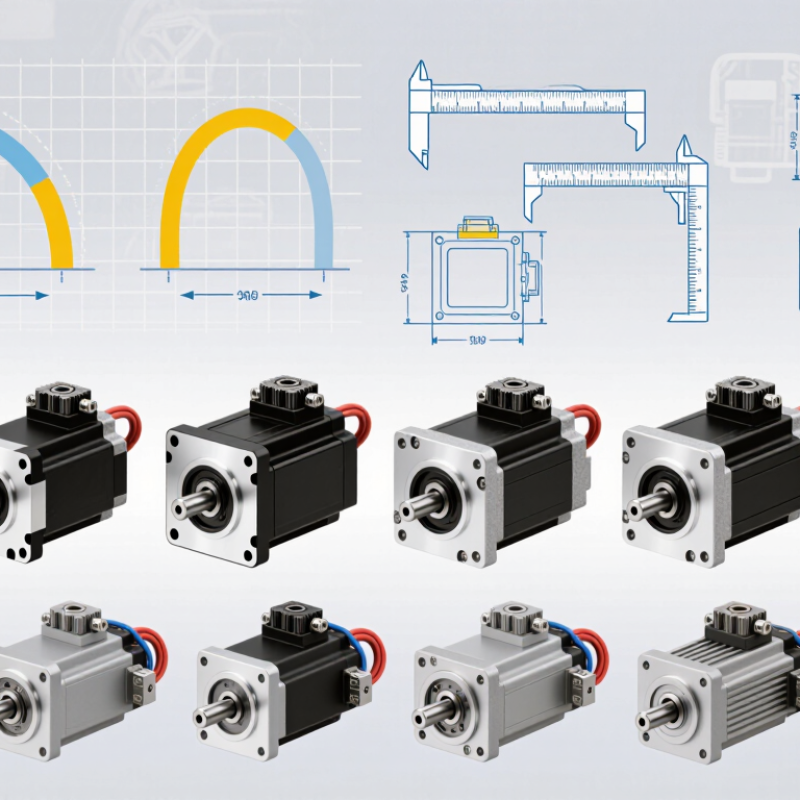
A portable gear motor combines an electric motor with a gearbox, reducing speed while increasing usable output torque. Inside, the motor’s rotor turns a gear train supported by bearings and enclosed in a protective housing. Gear type matters: spur gears are straightforward, planetary layouts can deliver high torque in a compact space, and worm gears may trade efficiency for a right-angle drive. Small details matter. Seal quality, shaft alignment, and housing strength affect performance when equipment is carried, bumped, or used in dusty work areas.
Choose a unit by matching output speed and torque to the load, then check duty cycle, mass, and heat buildup. A gearbox cannot eliminate heat; friction and prolonged operation can raise temperatures.
The U.S. Department of Energy’s 2014 Improving Motor and Drive System Performance sourcebook estimates motor systems use about 70% of U.S. industrial electricity.
That figure is not specific to portable gear motors, but it shows why efficiency deserves attention. A compact motor may fit the tool yet struggle under a heavy, continuous load. That trade-off is easy to underestimate. Verify ratings under realistic operating conditions, because catalog torque alone does not describe how a unit behaves after repeated starts.
A portable gear motor should be judged by its working load, not its headline torque alone. Check rated torque, peak torque, and speed at the intended voltage. A motor that turns quickly without a load may slow sharply when driving a small wheel or lifting an attached mechanism. Test the actual gear ratio and output shaft with the expected load, if possible. Small differences matter.
Compare voltage, current draw, and duty cycle together. A compact motor may fit a handheld tool, yet overheat during repeated starts. Note the enclosure temperature after several realistic operating cycles, not just a brief bench test. Also record weight, overall dimensions, shaft diameter, and mounting-hole spacing; a few millimeters can disrupt an otherwise workable assembly. Check backlash if accurate positioning matters, and listen for gear noise under load. It is easy to overlook noise in a quiet workshop, then regret it in a field setting.
Environmental ratings need context. Dust protection may be useful outdoors, but it does not automatically mean a motor can tolerate water exposure. Ask how the rating applies to connectors and the assembled unit. Compare specifications from the same operating conditions, since test methods and measurement details may vary. That caveat is not glamorous. It is useful.
Portable gear motors pair a compact electric motor with a gearbox that trades speed for torque. Battery-powered DC models are common in carts, small pumps, and adjustable work platforms. Brushed versions are often simple to control, while brushless motors can offer longer service life when matched with suitable electronics. Not always.
Gearbox design matters as much as motor type. Spur gear motors are usually efficient and straightforward, making them useful in light conveyors and compact feeders. Planetary gear motors fit applications needing higher torque in a small space, such as portable lifting equipment or robotic joints. Worm gear motors can provide strong reduction and may resist back-driving, but they can generate more heat and lose efficiency. Check the duty cycle, not just the peak torque.
For field tools, a sealed geared motor may handle dust or occasional splashes better, but “sealed” does not mean suitable for every environment. A portable medical device, inspection robot, and folding seat have very different noise, speed, and runtime needs. Measure the load under real operating conditions, including starts and stalls. A motor that works on a clean test bench may struggle with a heavy wheel on rough ground. That detail is easy to miss.
Choosing among the 10 best portable gear motors for buyers in 2026 starts with the load, not the advertised power. Estimate the starting torque needed to move the equipment, then check the motor’s rated torque and speed. A compact unit may fit beside a conveyor or inspection rig, yet still overheat during repeated starts. Check voltage, gearbox ratio, mounting dimensions, and duty rating against your actual setup.
Compare total weight, including the gearbox, cables, and mounting plate. That small detail can change whether a motor is genuinely portable. Review the manufacturer’s datasheet for noise, operating temperature, shaft dimensions, and service requirements. Ask for test conditions when performance figures seem unusually broad. One trade-off is easy to miss: a higher reduction ratio can increase output torque while reducing speed. There is no perfect choice. A slightly heavier motor may be more practical if it runs cooler and mounts securely.
Tips: Measure the available space before ordering, and leave room for wiring and airflow. Confirm that your power supply can handle startup current. If possible, test the motor with the real load for several cycles. A brief bench test can miss heat buildup. Keep a little margin; estimates are not always right.
A portable gear motor should match the job, not just the dimensions on its datasheet. Start with the load’s weight, movement, and starting resistance. A small conveyor may run smoothly once moving but need much more torque at startup. Check rated voltage, speed under load, and gearbox ratio together. A motor that spins quickly without a load may slow sharply when attached.
Operating conditions matter just as much. For battery-powered equipment, compare current draw with the battery’s capacity and expected run time. Check whether the motor can handle repeated starts, long duty cycles, vibration, dust, or damp surroundings. Confirm that its mounting points and shaft fit your assembly. A paper calculation can miss friction or misalignment; a brief test with the actual load often reveals both. Leave room for adjustment.
Tips: Measure the load and available space before choosing. Test the motor at the intended voltage, then observe heat, noise, and speed over several cycles. Keep a simple record. It helps expose patterns, though one test is not enough. Recheck fasteners and wiring after initial operation, especially if the unit travels between work areas.
Match rated torque and speed to the real load. Check them at the intended voltage. A no-load test can mislead.
A small conveyor may need extra force to start, even if it runs easily afterward. Measure starting resistance when possible.
Check its duty rating and startup current. Run several realistic cycles, then note the enclosure temperature. One brief test is not enough.
Record the motor’s total weight, body dimensions, shaft diameter, and mounting-hole spacing. Leave room for wiring and airflow. Millimeters matter.
A higher reduction ratio can increase output torque while reducing speed. Choose based on the task, not torque alone.
Compare current draw with battery capacity and expected run time. Confirm the power supply can handle startup current. Estimates can be off.
No. Check how the rating applies to connectors and the assembled unit. Dust protection does not automatically mean water protection.
It can expose heat buildup, noise, slowdowns, friction, or misalignment. Keep a simple record across several cycles. The record may still miss something.
This guide explains how a Portable Gear Motor combines a motor with a gearbox to deliver controlled speed and torque in a compact, easy-to-move package. It introduces the main components and operating principles, then outlines the specifications buyers should compare, including power, torque, speed, efficiency, size, weight, power source, and duty cycle. Understanding these factors can help narrow the options and ensure the motor suits the equipment and working environment.
The guide also reviews common motor types and their typical applications before presenting ten options for buyers to consider in 2026. Rather than relying on a single specification, readers can weigh performance, portability, operating conditions, and practical requirements together. The final selection advice helps match a motor to its intended workload, available power, space constraints, and expected usage, making it easier to choose a reliable solution for a specific need.
