The quest for high torque motors has become crucial in various industries. These specialized machines provide the strength and stability needed for demanding applications. Notably, expert Daniel Reynolds, a seasoned engineer in motor technology, states, “High torque motors are pivotal for reliability in tough environments.” His insight emphasizes the role of these motors in global sourcing.
High torque motors are essential for driving heavy machinery and equipment. Their ability to deliver substantial rotational force is unmatched. Industries such as automotive, aerospace, and manufacturing heavily rely on them. The demand for reliable motors continues to rise. This creates numerous sourcing opportunities on a global scale.
However, sourcing high torque motors is not without challenges. Companies often struggle to find suppliers that meet specific technical requirements. The market can also be overwhelming due to the variety of available options. Reflecting on these issues is vital for effective decision-making. A clear understanding of one’s needs is essential to navigate this complex landscape.
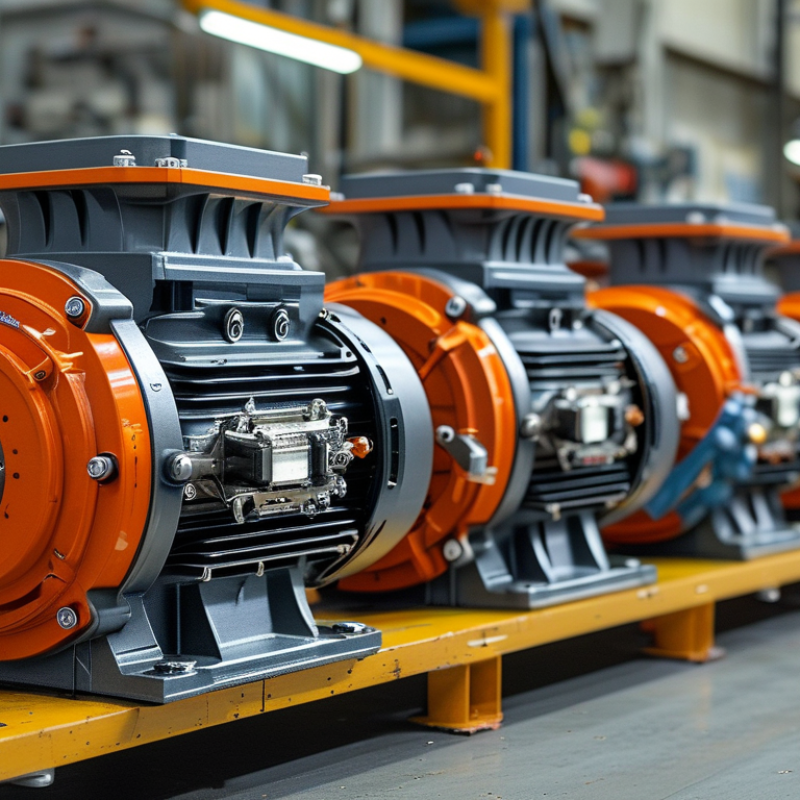
High torque motors play a crucial role in various industries. They are designed to deliver high starting power, making them ideal for heavy-duty applications. According to a recent report by MarketsandMarkets, the global high torque motor market is expected to reach $10.5 billion by 2025, expanding at a CAGR of 6.5%. This growth reflects the increasing demand for efficient and reliable motors in industrial automation and electric vehicles.
Industries such as manufacturing, automotive, and energy are major consumers of high torque motors. For example, they are employed in conveyor systems, robotics, and wind turbine applications. Specific data indicates that the manufacturing sector is projected to account for over 35% of the total market share due to rising automation needs. However, challenges remain in terms of energy efficiency and cost-effectiveness. While advancements are being made, some existing motor designs still lag in improving energy consumption.
High torque motors must also adapt to the increasing emphasis on sustainability. As companies strive to reduce their carbon footprint, manufacturers are encouraged to innovate. Alternatives, such as using renewable energy sources to power these motors, have been explored, yet implementation hurdles persist. The industry faces questions on how to balance high performance with eco-friendly practices, indicating room for continued research and development.
When sourcing high torque motors, key specifications are crucial. Torque ratings, efficiency, and size are foundational metrics. Torque is measured in Newton-meters (Nm) and indicates the motor's ability to perform work. For instance, motors with torque ratings above 1 Nm are typically preferred for heavy-duty applications. Efficiency, represented as a percentage, is another vital metric. A motor with an efficiency rating exceeding 90% is considered high-quality.
Performance metrics, including speed and power output, play an essential role in motor selection. Speed is measured in revolutions per minute (RPM). High torque motors often operate at lower RPMs, providing strength over speed. Power output, measured in Watts, indicates how much energy the motor consumes. Reports indicate that the ideal power-to-weight ratio is around 0.5 Watts per gram for many industrial applications.
While technical specifications are important, operational environment must be factored in. Humidity, temperature variations, and mounting configurations can influence performance. A motor designed for high torque in a stable environment may underperform in fluctuating conditions. Manufacturers must consider these factors for optimal performance. Understanding these dynamics helps in making informed sourcing decisions in the global market.
| Motor Type | Torque (Nm) | Voltage (V) | Power Rating (W) | Speed (RPM) | Efficiency (%) |
|---|---|---|---|---|---|
| Brushless DC Motor | 30 | 48 | 1500 | 4000 | 90 |
| Stepper Motor | 50 | 24 | 200 | 1200 | 85 |
| AC Induction Motor | 80 | 400 | 3000 | 1500 | 92 |
| Gear Motor | 100 | 220 | 500 | 300 | 88 |
| Permanent Magnet Motor | 60 | 300 | 1200 | 1800 | 95 |
High torque motors are gaining traction across various industries. They provide substantial power even at lower speeds. This feature is essential for applications in manufacturing and automotive sectors. The surge in automation increases demand for motors that can handle heavy loads. Industries are evolving, and the need for efficiency drives the development of high torque solutions.
The construction industry relies heavily on these motors. They power cranes and drilling machines, which require sustained torque for optimal performance. Additionally, high torque motors are pivotal in the robotics field. Robots often need to perform intricate tasks with precision, requiring reliable torque delivery. Notably, the agricultural sector benefits from these motors too. They enhance the performance of equipment like harvesters and tractors.
Trends indicate a shift toward electric high torque motors. They are more efficient and environmentally friendly. Industries are gradually adopting these innovations to reduce carbon footprints. However, the transition presents challenges. Many existing setups may not integrate seamlessly with newer technology. Organizations must assess this compatibility carefully to avoid disruption in operations.
The high torque motor market is expanding rapidly, driven by advancements in technology and increasing global demand. Leading manufacturers are focusing on developing efficient, durable motors that meet diverse industrial needs. When comparing manufacturers, key factors include motor efficiency, reliability, and adaptability to various applications. Qualitative measurements such as customer satisfaction and technical support also play a vital role in selecting a manufacturer.
Choosing the right high torque motor can be daunting. Research is crucial. Investigate specifications, performance data, and user reviews. Ensure the manufacturer you consider has a strong reputation in the industry. The best motors are not necessarily the most expensive ones. Sometimes, overlooked brands offer amazing value.
Collaboration with experts can enhance decision-making. Engaging with industry professionals will provide insights into performance and application suitability. Networking with peers can also bring to light options that may not be widely recognized yet. Reflecting on the long-term requirements will help ensure that your choice aligns with future needs.
Emerging sourcing opportunities in the high torque motor market are crucial to understand. With a rising demand in various industries, awareness of global market dynamics is essential. Factors like economic shifts, technological advancements, and supply chain challenges can affect procurement decisions. Sourcing managers must remain agile to exploit these changes effectively.
International markets face unique risks. Currency fluctuations can impact pricing strategies. Additionally, geopolitical tensions may disrupt supply chains. Companies must consider local regulations and standards when sourcing. Collaborating with reliable partners can mitigate potential issues. Researching local market conditions is vital for informed decision-making.
Adaptability is necessary in this fast-paced environment. Monitoring trends and evolving customer needs is crucial. Information gathering plays a key role in shaping sourcing strategies. Embracing innovation can ensure competitiveness. High torque motors represent both opportunities and challenges, making a nuanced approach essential for success.
This chart illustrates the growing demand for high torque motors across various industries in 2023. The data represents estimated demand in thousands of units.
: Key specifications include torque ratings, efficiency, and size. Torque is measured in Newton-meters (Nm).
Torque indicates the motor's ability to perform work. Ratings above 1 Nm are preferred for heavy-duty tasks.
A motor with efficiency over 90% is deemed high-quality and effective in performance.
High torque motors often operate at lower revolutions per minute (RPM), focusing on strength rather than speed.
The ideal power-to-weight ratio is around 0.5 Watts per gram. This ensures effective performance in applications.
Factors like humidity and temperature can impact performance. Motors may underperform in fluctuating environments.
Industries such as manufacturing, automotive, construction, robotics, and agriculture utilize high torque motors.
Electric high torque motors are becoming more popular due to their efficiency and environmental benefits.
Existing setups may not integrate seamlessly with new motors. Compatibility assessments are essential to avoid disruptions.
High torque motors enhance performance in equipment like harvesters and tractors, allowing for better functionality.
The article titled "Best High Torque Motors for Global Sourcing Opportunities" delves into the expansive landscape of high torque motors and their critical applications across various industries. It presents a comprehensive overview of the specifications and performance metrics that define these motors, emphasizing their importance in sectors such as manufacturing, robotics, and automotive. Current market trends and data reveal how high torque motors are becoming increasingly vital to enhance efficiency and productivity in industrial processes.
Furthermore, the article highlights key players in the high torque motor market, offering a comparative analysis of their contributions and technological advancements. Emerging sourcing opportunities are also discussed, showcasing the global market dynamics and associated risks that potential investors and manufacturers should consider. This analysis aims to equip stakeholders with the knowledge necessary to navigate the evolving landscape of high torque motors effectively.