In the world of modern engineering and technology, the Coreless DC Motor stands out as a revolutionary component. These motors are known for their unique design, which eliminates the traditional iron core. This design leads to significant benefits in various applications. Whether you are developing robotics, automation, or consumer electronics, understanding Coreless DC Motors is essential.
One of the key advantages of using Coreless DC Motors is their efficiency. They provide higher performance with less heat generation. This results in longer operational life and less energy waste. Additionally, Coreless DC Motors are lighter and more compact than their traditional counterparts. This can be a game-changer when space is limited.
While the benefits are substantial, there are challenges to consider. The cost of Coreless DC Motors can be higher than standard motors. Not every project may justify this investment. However, in high-performance applications, the advantages often outweigh the costs. Exploring these elements can inform better decisions in your projects.
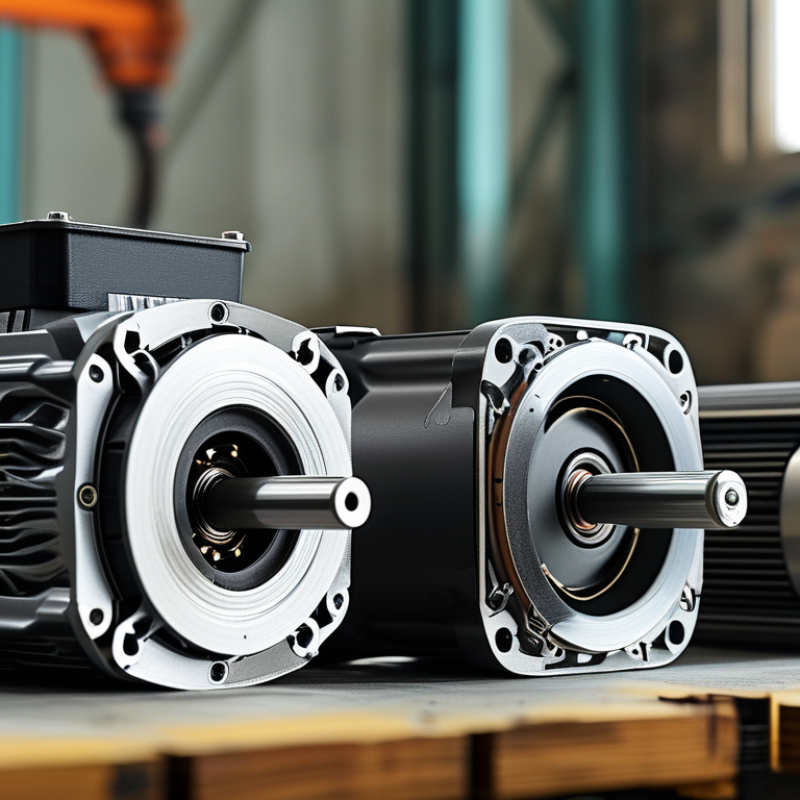
Advantages of Coreless DC Motors Over Traditional DC Motors
Coreless DC motors present distinct advantages over traditional DC motors, making them a valuable choice for various projects. One significant benefit is their lightweight design. Without a core, these motors reduce inertia, allowing for quick acceleration and deceleration. This feature is crucial for projects that require rapid changes in speed or direction, such as robotics or model aircraft.
Moreover, coreless DC motors typically offer improved efficiency. They convert electrical energy into mechanical energy more effectively. This efficiency results in less heat generation, prolonging motor lifespan. This aspect is particularly beneficial in battery-powered devices, where energy conservation is essential.
Tip: When selecting a coreless DC motor, consider the torque and speed requirements of your application. You might find the ideal motor by comparing various specifications.
Another advantage is reduced electromagnetic interference (EMI). Traditional DC motors with iron cores can produce noise and disrupt nearby electronics. Coreless designs minimize these issues, which is vital in sensitive applications like medical equipment.
Tip: Always test your motor in the actual operating environment before finalizing your design. Real-world conditions can reveal challenges not observed during simulations.
Despite these strengths, engineers should be aware of the higher costs associated with coreless DC motors. Balancing these factors is essential for project success.
Key Applications of Coreless DC Motors in Various Industries
Coreless DC motors are gaining traction across various industries due to their unique design features and performance capabilities. Their absence of a bulky iron core allows for enhanced efficiency and reduced weight, making them ideal for applications in robotics, drones, and medical devices. According to a market research report by ResearchAndMarkets, the global coreless motor market is expected to grow by 8% annually, driven by their rising use in automation and consumer electronics.
In the medical field, coreless DC motors play a vital role in portable devices. These motors provide the necessary precision and reliability required for tools like surgical robots and inhalers. A report from MarketsandMarkets highlights that the demand for such precise instruments is projected to grow by 10% in the next five years. However, challenges like the higher manufacturing costs of coreless motors need consideration.
The automotive sector is another key application area. Coreless motors are used in electric vehicles for various controls and drives. Their ability to perform efficiently under varying load conditions is crucial for the evolving technologies in electric mobility. According to a report from Frost & Sullivan, this segment is set to expand rapidly, yet companies must navigate issues like battery management and motor lifespan.
Understanding the Improved Efficiency of Coreless DC Motors
Coreless DC motors have become increasingly popular in various projects due to their remarkable efficiency. Unlike traditional motors, these motors have a unique design that eliminates the need for a core, reducing weight and enhancing performance. This innovative structure allows for faster response times and less heat generation, which is crucial for many applications.
When you consider efficiency, remember that coreless motors consume less power while delivering more torque. This means smaller batteries can be used. Designers should pay attention to size and weight specifications. A small motor can yield significant results in the right project.
Tips: Always test your motor choice under load conditions. This helps in understanding its performance limits. Additionally, consider the impact of different voltage levels on efficiency. Testing with various voltages can reveal the best operational range. Don't overlook cooling mechanisms; even efficient motors can suffer from overheating without proper heat management. Coreless motors provide an edge, but understanding their limits and requirements is vital for success.
Design Considerations When Integrating Coreless DC Motors
When integrating coreless DC motors into projects, several design considerations come into play. The unique design of coreless motors offers reduced weight and enhanced responsiveness. Their configuration eliminates the core, resulting in lower inertia and improved acceleration. This can be critical in applications requiring quick movements, such as robotics and automation systems. Data from industry reports suggest that coreless motors can achieve efficiency rates exceeding 90%, making them ideal for energy-sensitive applications.
Thermal management is another vital factor in the integration process. While coreless DC motors generate less heat than traditional motors, careful consideration is needed for prolonged use. Ensuring proper ventilation or using heat sinks can help maintain optimal performance. Additionally, powering these motors requires specific driver circuits. It’s crucial to match voltage and current ratings accurately to avoid performance issues. An improperly configured system may lead to inefficiencies or even damage.
Furthermore, the size and shape of the motor must align with the overall design of your project. Compact spaces often challenge motor integration. A detailed analysis of torque requirements is essential. While coreless motors can deliver high torque, their performance may vary based on load conditions. Engineers must evaluate real-world scenarios to ensure reliable operation. Balancing these aspects can lead to successful project outcomes and optimal motor performance.
Top Benefits of Using Coreless DC Motors in Your Projects
This chart highlights the key benefits of using coreless DC motors in projects. The metrics displayed represent the efficiency, size, weight, responsiveness, and noise levels, showcasing why coreless DC motors are often preferred for various applications due to their superior performance characteristics.
Cost Implications of Switching to Coreless DC Motors in Projects
Transitioning to coreless DC motors can significantly impact project costs. Recent studies indicate that these motors often have lower operational costs due to their efficiency. Coreless motors can achieve up to 90% efficiency in energy consumption. This efficiency can translate into lower electricity bills over time. Moreover, they typically require less maintenance, reducing ongoing service costs.
However, the initial investment can be higher compared to traditional motors. Reports suggest that companies may face a cost increase of 20-30% when switching. This disparity is often due to the advanced technology used in coreless designs. Yet, the long-term savings often justify this higher upfront cost. Organizations must weigh these factors carefully. Project budgets can be strained with initial expenses but can benefit from lower total cost of ownership in the long run.
Another consideration is the potential for increased productivity. Coreless DC motors offer higher torque-to-weight ratios. This can lead to faster and more efficient operations. In industries where performance is critical, investing in these motors may lead to a competitive edge. The holistic view of costs must include the efficiency and productivity gains they provide. However, decision-makers should also assess the learning curve associated with integrating new technology.
FAQS
: Coreless DC motors are lightweight and offer quick acceleration. They are efficient, generating less heat and prolonging lifespan.
Higher efficiency allows for better energy conversion. This is crucial for battery-powered devices needing energy conservation.
Their design minimizes noise, disrupting nearby electronics less. This feature is especially vital for sensitive applications like medical devices.
It's important to assess torque and speed requirements. Comparing specifications can help identify the ideal motor for your needs.
While they generate less heat, proper ventilation and heat sinks are essential for prolonged use to maintain performance.
Compact spaces can complicate motor integration. Evaluating torque based on load conditions is necessary for reliable operation.
Mismatched voltage and current can lead to inefficiencies or even damage to the motor. Proper configuration is essential.
It reveals challenges not seen in simulations, ensuring motors perform adequately in their intended environments.
The motor's dimensions must fit the overall design of your project to avoid constraints during integration.
Some might assume they are always the best choice due to their advantages, but they can come with higher costs.
Conclusion
Coreless DC motors are becoming increasingly popular in various applications due to their numerous advantages over traditional DC motors. They are known for their lightweight design and compact size, which enhance both portability and efficiency. The improved efficiency of Coreless DC motors results from their unique construction, allowing for greater responsiveness and reduced energy consumption. This makes them ideal for use in robotics, medical devices, and aerospace applications.
When integrating Coreless DC motors into projects, important design considerations include ensuring proper mounting and optimizing the drive electronics for maximum performance. Additionally, while the initial cost of Coreless DC motors may be higher than that of traditional models, the long-term benefits such as reduced energy costs and improved performance can lead to significant savings. Overall, the versatility and efficiency of Coreless DC motors make them a valuable choice in modern engineering applications.
